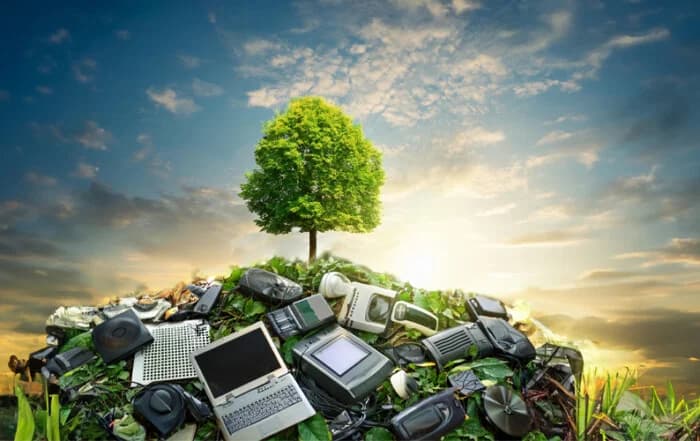
To combat India's growing environmental crisis, we must first understand the scale and composition of the waste we produce. Understanding the distribution of different waste types is crucial for developing effective waste management strategies and promoting true sustainability.
The Waste Landscape in India
A closer look at the data reveals where the bulk of our waste is originating:
- General Waste: At roughly 60%, general mixed waste (including organics, textiles, and unsegregated household debris) dominates the waste stream.
- E-Waste: Accounting for nearly 40% in relative volume impact, electronic waste is the fastest-growing and most toxic category.
- Plastic Waste: Making up about 20% of the profile, plastic packaging and single-use containers remain a massive, visible challenge.
- Hazardous Waste: Comprising around 15%, these materials demand specialized, highly regulated processing.
- Battery, Tire, and Metal Waste: Each of these specific streams hovers around 5-6%. While smaller in volume by percentage, their concentrated toxicity and high material value make them critical recycling targets.
Current Challenges
Despite the clear data, our path to clean processing is blocked by several systemic hurdles:
1. Poor Waste Disposal: Unregulated dumping and illegal landfills remain the default in many areas.
2. Limited Recycling Infrastructure: Formal, safe, and certified recycling plants are vastly outnumbered by the sheer volume of waste generated.
3. Lack of Awareness: Consumers and businesses alike often lack the education on how to properly separate and dispose of hazardous or electronic waste.
Actionable Solutions
Overcoming these challenges requires a unified, multi-pronged approach:
- Reduce & Recycle: Shifting consumer habits to prioritize long-lasting goods and ensuring proper end-of-life recycling.
- Strengthen Infrastructure: Investing heavily in localized, certified processing facilities for e-waste and plastics.
- Promote Circular Economy Practices: Redesigning manufacturing so that today's waste becomes tomorrow's raw material, creating a closed-loop system.