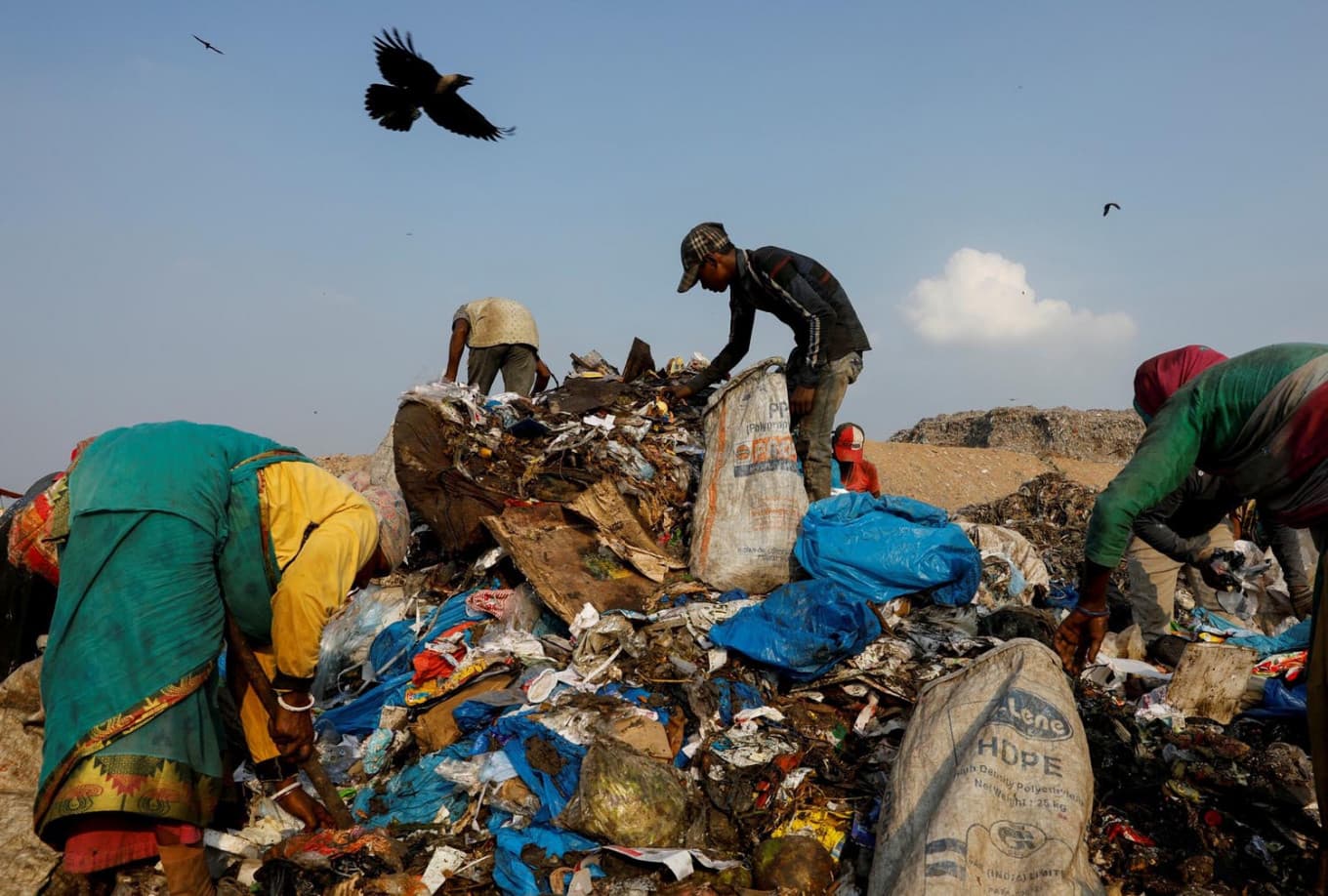
To effectively tackle the environmental impact of waste in India, we must first understand exactly where the emissions are coming from. Currently, different waste types contribute to a staggering total of 33.1 million tonnes of CO2e (Carbon Dioxide Equivalent) annually.
*Remember: 1 Carbon footprint = 1 metric ton of CO2e emissions.*
The Breakdown: Where Are the Emissions Originating?
By analyzing the data, we uncover a clear hierarchy of carbon-intensive waste streams. The top contributors—E-waste, metal, and plastic waste—account for the vast majority of these emissions due to the highly energy-intensive processes required to manufacture, process, and ultimately dispose of these materials.
Here is the precise breakdown of CO2e emissions by waste category in India:
- E-Waste: 17.400 MT CO2e (The undeniable largest contributor)
- Metal Waste: 4.650 MT CO2e
- Plastic Waste: 3.100 MT CO2e
- General Waste: 2.976 MT CO2e
- Tire Waste: 2.244 MT CO2e
- Battery Waste: 1.860 MT CO2e
The Solution Lies in Sustainability
The data highlights a massive disparity: electronic waste alone generates more than half of all waste-related carbon emissions in the country.
The path forward is clear: Sustainable Waste Management is the key to reducing emissions.
By demanding better recycling infrastructure, adopting circular economy models, and implementing strict waste reduction practices—especially concerning electronics and plastics—we can significantly shrink India's 33.1 million tonne carbon footprint.